Watching Doctor Who episodes I never thought I’d see
 by Martin Belam, April 6, 2026
 I was on Radio 4 talking about newly rediscovered Doctor Who episodes – but the real story is what their survival says about how television history is preserved.

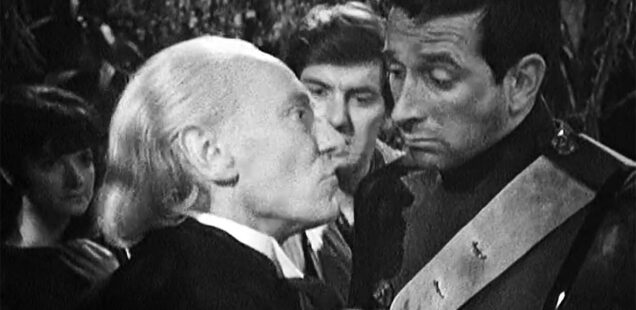
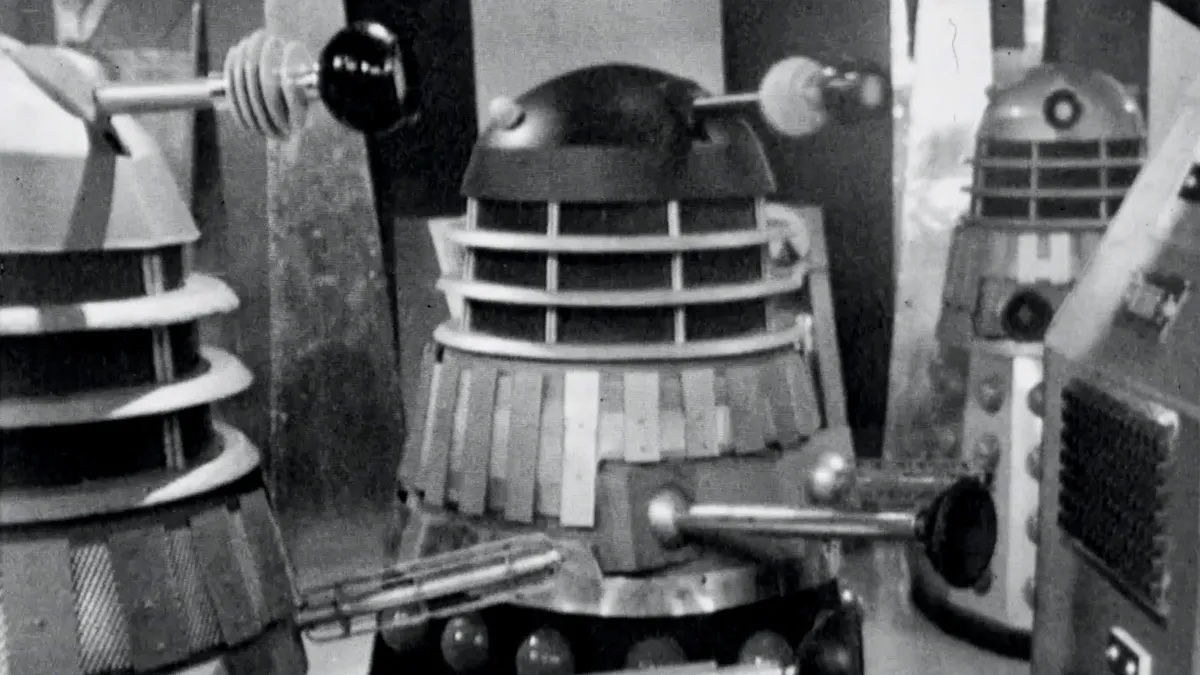
It has been an amazing time to be a Doctor Who fan, with the sudden rediscovery of two missing William Hartnell episodes from the 12-part 1965 epic The Daleks’ Master Plan. And an even more amazing time if you are a journalist who sometimes writes about Doctor Who, i.e. me, as you get to write a news story about them being put up on iPlayer, a recap of the episodes reviewing them, and, it turns out, to appear on the radio.
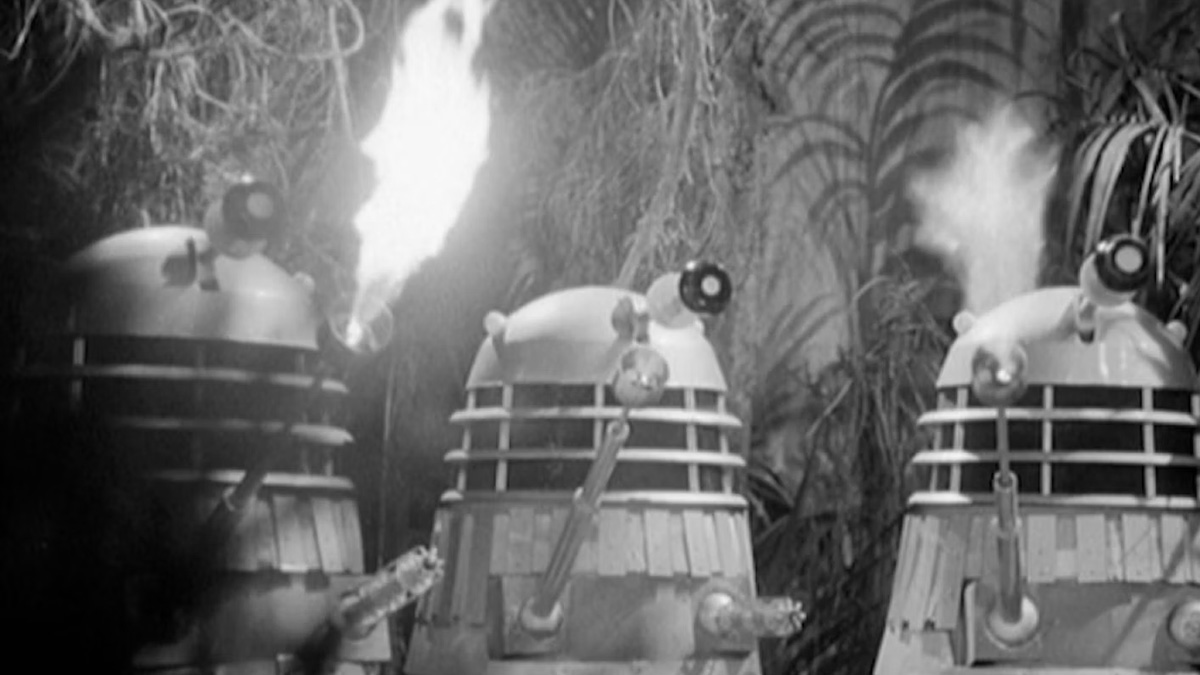
I do vividly recall my shock when a friend of mine explained to me for the first time that there were lots of missing Doctor Who episodes. In those pre-internet days I didn’t know, but he had a printed out list of what had disappeared. I was gobsmacked – how could they have disappeared? Of course, now I understand the situation much more clearly – videotape and storage space were expensive, and so with no prospect of repeats, further overseas sales and no home video market, there wasn’t really much point keeping them.
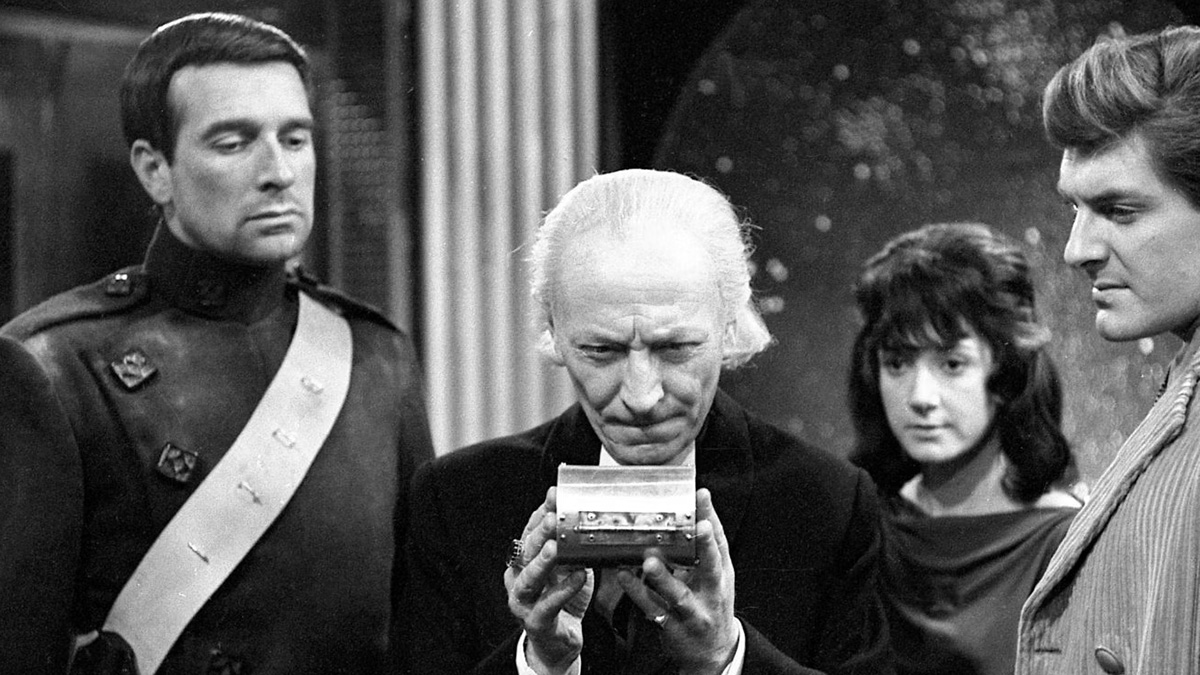
I ended up on BBC Radio 4 with Shaun Ley, alongside legendary archivist Sue Malden, talking about the significance of these newly recovered episodes. The short version is that they really do matter – not just as curios, but as part of a much bigger story about how television used to be made and valued:
“These are really interesting and important cultural artefacts. At that time, television was treated more like a theatre production, so you didn’t really have repeat runs … there was no opportunity to sell things on DVD or VHS, and so lots of things didn’t get preserved.”
That context is what makes finds like this so remarkable. The Daleks’ Master Plan wasn’t even sold overseas in the way many other stories were, which is how previous missing episodes have sometimes turned up in unexpected places:
“The last time any Doctor Who episodes were found was in 2013 … in a TV relay station in Nigeria, where the stories had been sold overseas. But these episodes were never sold overseas, so we thought they were some of the least likely ever to be recovered.”
Which makes their return all the more joyous – not least because it means, occasionally, you can still experience 1960s Doctor Who as something genuinely new:
“I got up at 6 o’clock and watched two episodes of Doctor Who that I’ve never seen before … I’ve tried to avoid finding out too much about the missing episodes, so I can watch them fresh as a fan. It was a really, really great joyous experience.”
As for the episodes themselves? It is so exciting to have them back it is hard to judge them on their actual merits. The Nightmare Begins is stronger than The Devil’s Planet, but one of my main takeaways was it was interesting to have more of Adrienne Hill as Katarina, the briefest of Doctor Who companions. As I wrote in my recap:
“Katarina has just been introduced to replace Vicki (Maureen O’Brien) in the preceding story The Myth Makers, and immediately the script editors seem to have had regrets about her character. ‘Don’t ask questions and do as you are told,’ the Doctor tells her at one point, which just about sums up how interesting she is.”
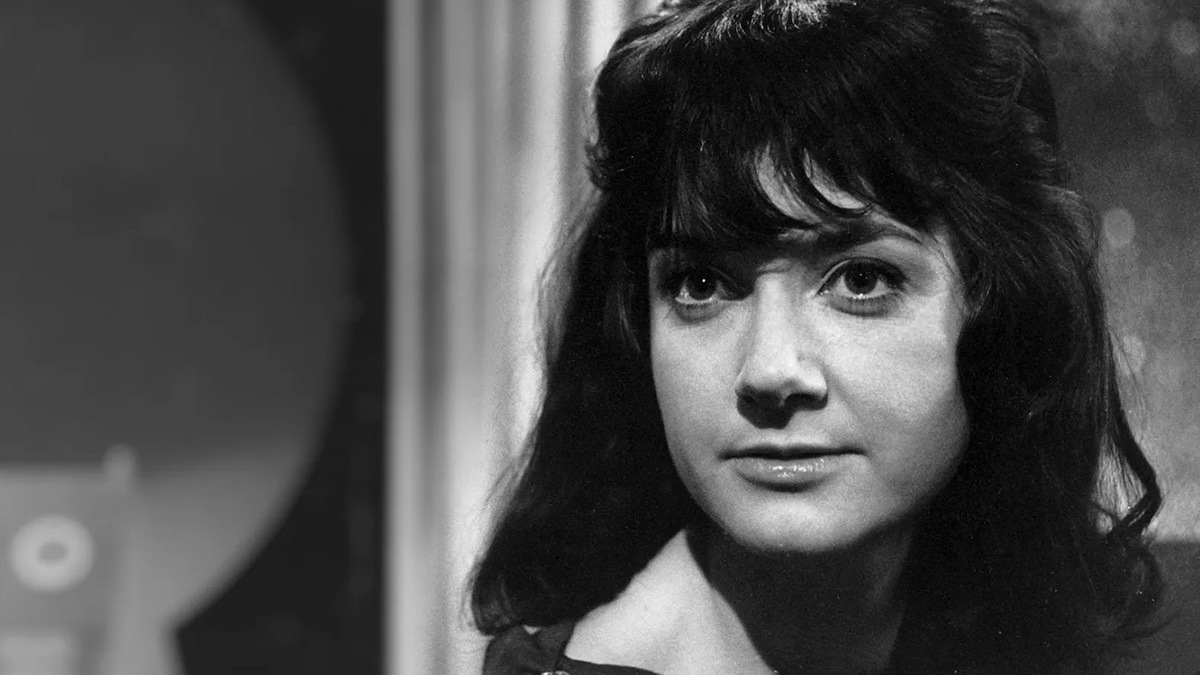
Adrienne Hill as Katarina
Of course, it’s not just Doctor Who. The programme tends to get the headlines, but there are missing episodes of Dad’s Army, Steptoe and Son, Hancock’s Half Hour, and editions of Top of the Pops that once featured the Beatles. Film – and videotape – is a fragile medium, and if it isn’t stored properly, it disappears.
I was lucky enough to visit the BBC film archive in the early 2000s – which I blogged about at the time – and one thing that really struck me was how many decisions still had to be made about what to keep. You’re not going to retain every single episode of The Weakest Link forever – but what if one of the discarded ones turns out to feature a future prime minister?
Even then, preservation wasn’t as simple as “digitise it and you’re done”. A lot of material had been transferred to digital tape formats that were themselves already becoming obsolete, making it harder to maintain the machines needed to play them back. Archiving television turns out not to be a solved problem so much as an ongoing race against time.
- Thanks to the wonders of modern technology, the radio interview should be available to listen to for a year – our segment on Doctor Who starts at about the 26 minute mark, and you can hear it here.
by Martin Belam, April 6, 2026 I do newsletters, live blogging, news stories and quizzes at the Guardian, and help cover Eurovision and Doctor Who for them too. As a journalist and designer I’ve spent over 25 years building digital products for the likes of Sony, the Guardian, the BBC, the Natural History Museum, Arts Council England and Reach (formerly Trinity Mirror). You can contact me at martin.belam@theguardian.com. Sign up to get my blog posts sent to you via email.