A future that never quite arrived: Bond, Daleks, and the great British hovercraft
 by Martin Belam, September 7, 2026
 My partner grew up in Gosport, and a few weeks ago we drove down there to meet some of her friends and family. Somewhere between Fareham and her hometown, I suddenly clocked a sign and gasped: a hovercraft museum? Who knew?
The thing about hovercraft is that they are simultaneously retro and a future that might still happen. Something out of a 1970s vision of tomorrow that never quite went away – an incredibly niche but oddly versatile technology, forever on the brink of a comeback. But it did make me wonder: when does a museum of technology stop being a museum and become a graveyard?
I’m not saying the collection was haphazard, but I did get the distinct – and possibly unfair – impression that at some point anyone in the country who owned a hovercraft had thought, “Well, we can’t keep this in the shed,” googled “hovercraft museum”, and sent it here. There were, frankly, more hovercraft than you could shake a stick at.
They range from the genuinely impressive to the gloriously eccentric, including stunt-battered machines used in a James Bond chase scene and a military craft actually used in anger in Iraq. There is also a noble attempt to teach you how these things actually work – the physics of lift, air cushions, and skirts – though if I’m being entirely honest I’m an arts guy not a physics geek and I walked away still somewhat none-the-wiser. Blast air at ground hard > physics happens > PROFIT! (or not as seems to have mostly been the case).
What really struck me, though, was the sheer, unadulterated DIY aesthetic of the early industry. For a long time, the hovercraft was the ultimate British shed-builder’s dream. On display is a model you could actually buy in kit form to assemble in your own back garden – which goes a long way to explaining why so many of these craft look like they were cobbled together out of spare lawnmower parts and hope.
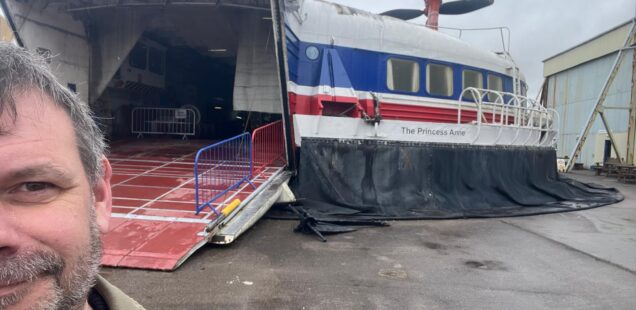
And yet … stepping on board the giant shell of the Princess Anne was an incredible moment for me.
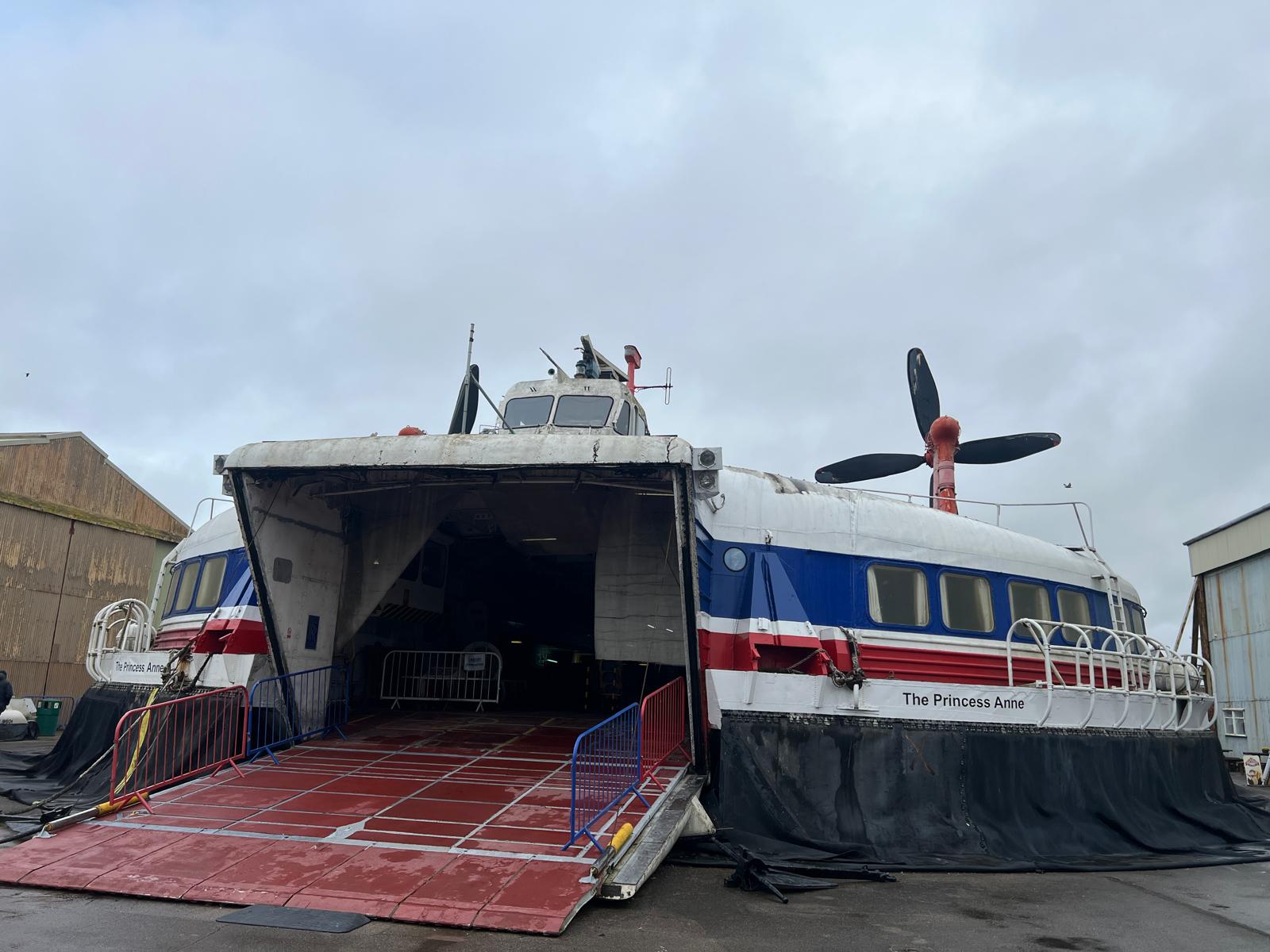
[Picture caption: The Princess Anne at the Hovercraft museum]
I have vivid memories of a holiday in Ramsgate in the late 1970s. OK – I say vivid memories. I have one vivid memory: standing on the beach, completely entranced by the cross-Channel hovercraft thundering in and out on the slipway. The noise. The power. The way they lifted spray off the water as if the sea itself was trying to get out of their way.
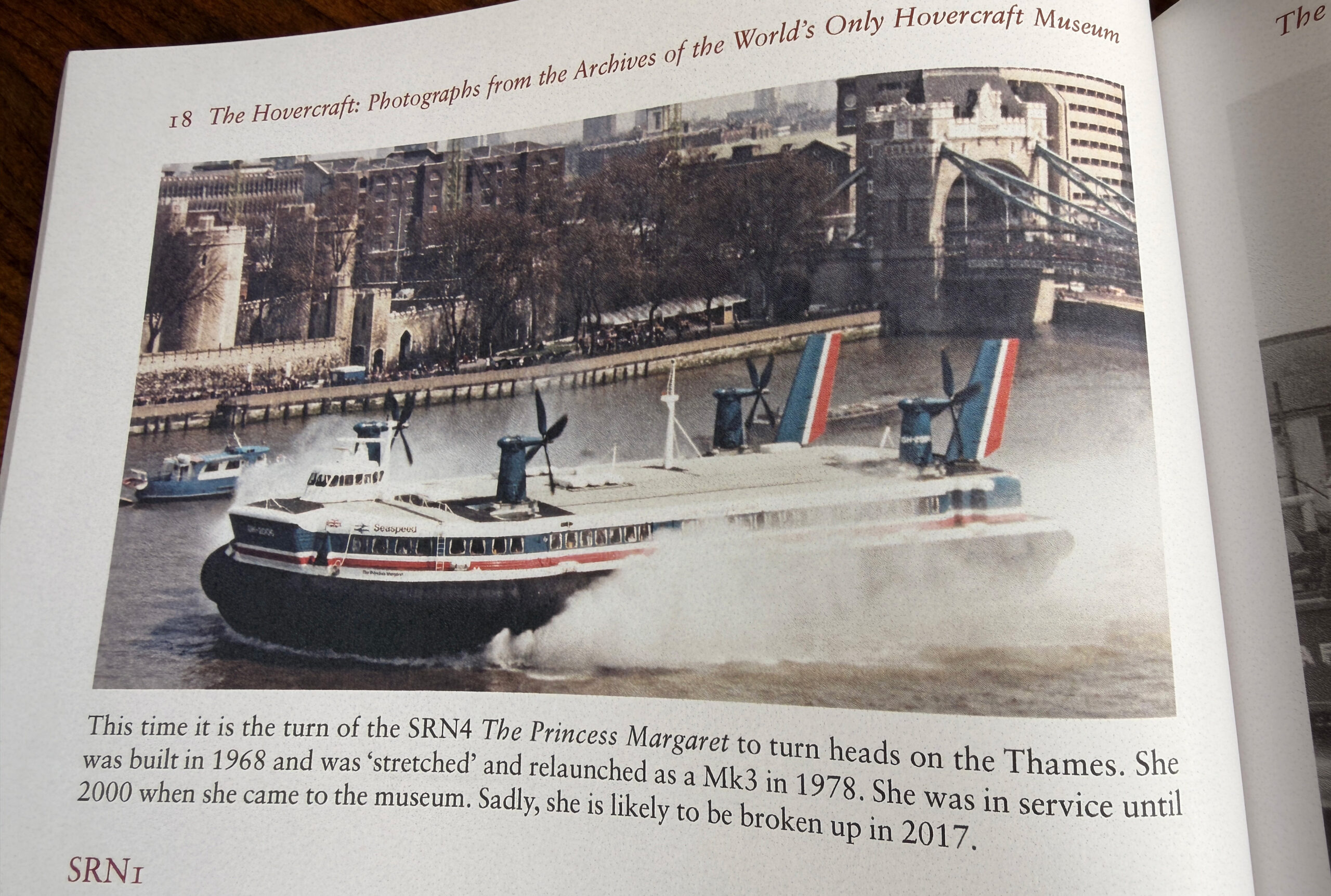
[Picture caption: Hovercraft Princess Margaret on the Thames]
I asked my parents about it afterwards. They confirmed we had gone on a holiday where my mum’s parents were with us. I have no recollection at all of my grandparents being there – but that hovercraft has stuck in my mind for nearly 50 years.
Which is how these things work, I suppose. I tried, in my turn, to pass something of this on to my own kids. I took them to Portsmouth a few years ago, with what I now recognise was an itinerary that was perhaps more for me than for them: the Mary Rose (still, to my mind, the best museum I have ever been to), HMS Victory (prompting one of them to observe it was lucky they hadn’t called it HMS Defeat), and then – crucially – a trip on the hovercraft across the Solent to the Isle of Wight for crazy golf and a look at the old 1938 underground stock that was then still running on the island.
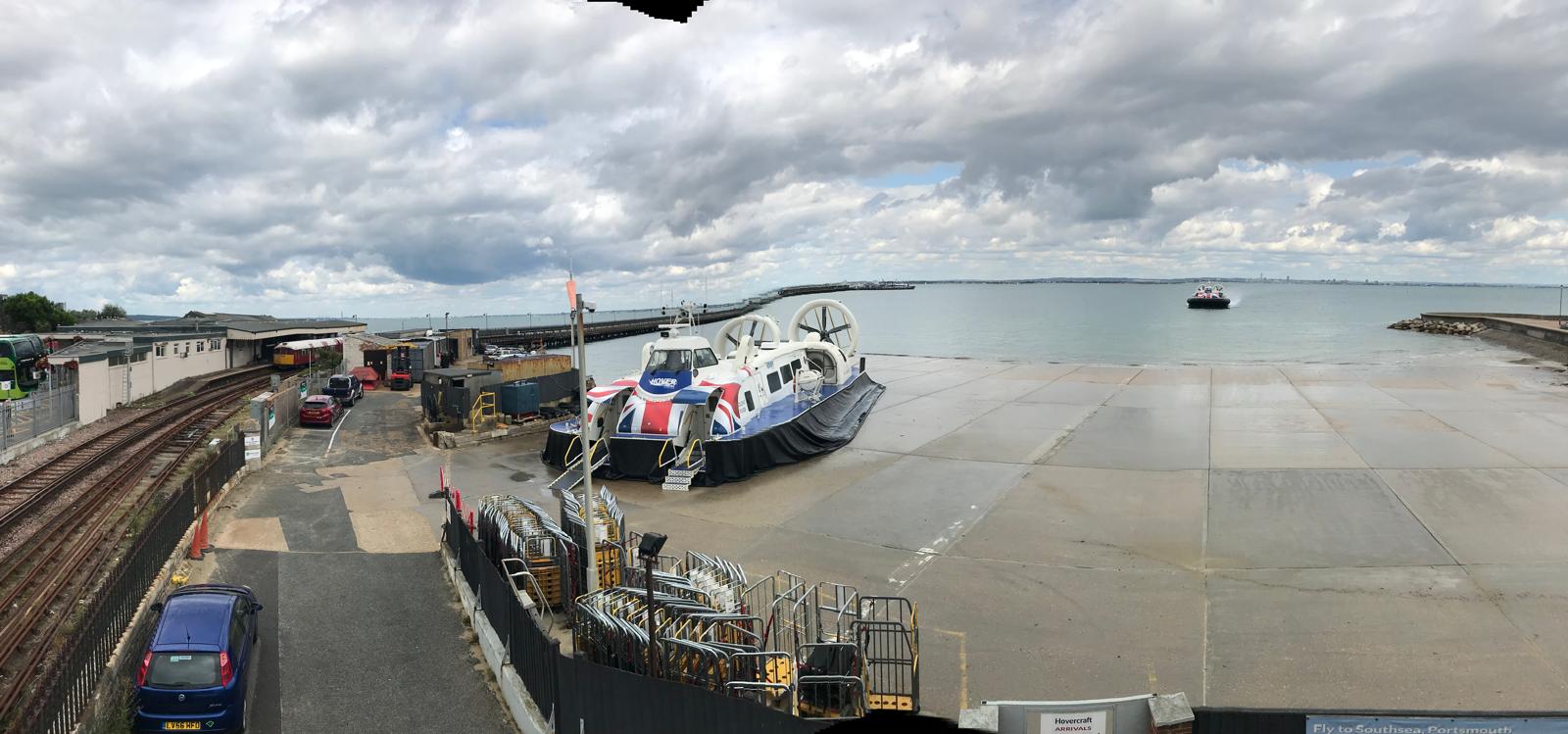
[Picture caption: Hovercraft and a 1930s tube train in the same shot at the Isle of Wight]
A holiday designed almost entirely around my own interests, but how else are you supposed to turn them into nerds? The kind of people who will go to a museum and go “Gosh, I literally had that toy that is now on display as vintage”.
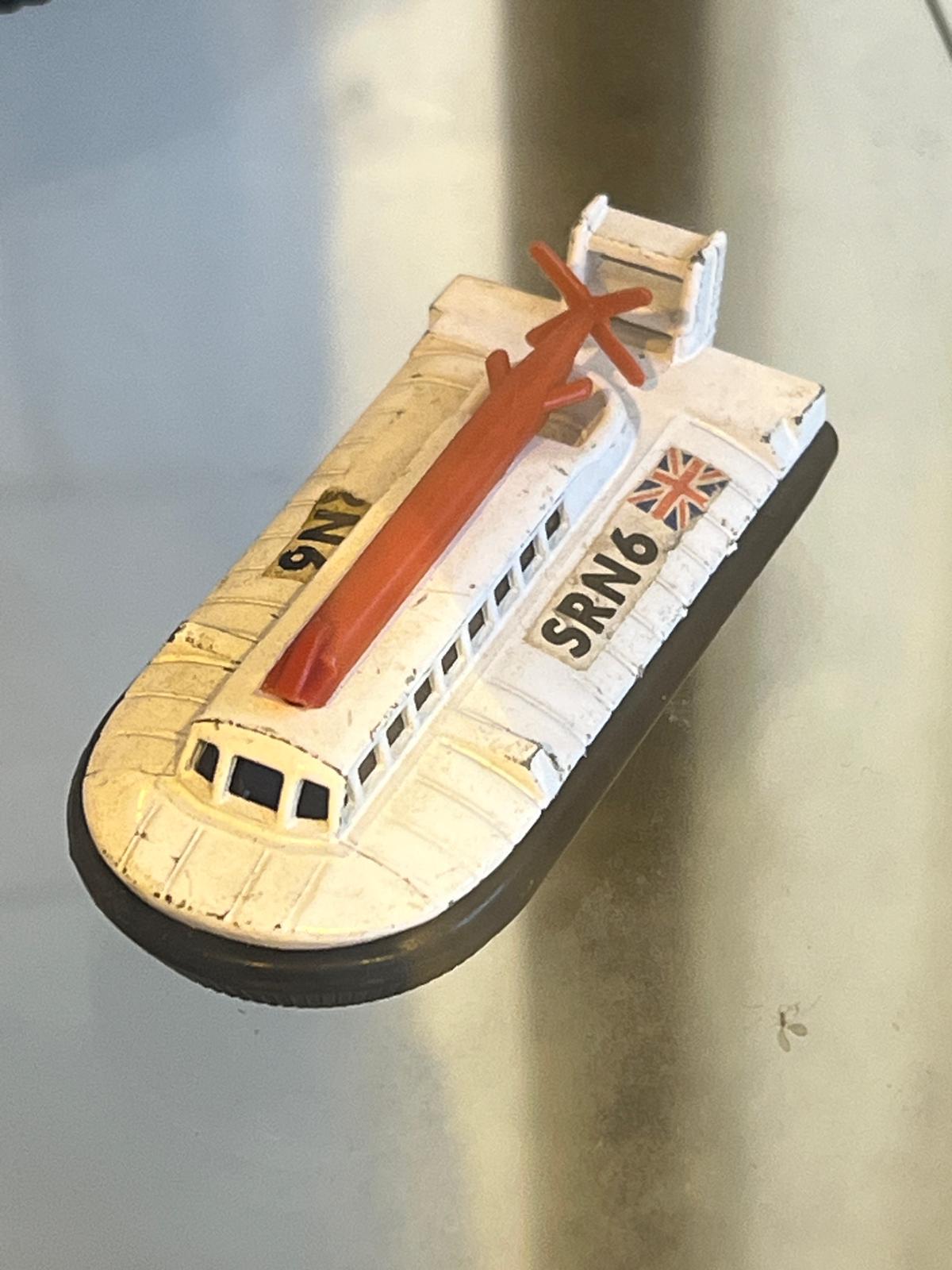
[Picture caption: A toy hovercraft at the Hovercraft museum that I used to also have as a child]
Back at the Hovercraft museum, there was one more thing that caught my eye. A Dalek. I posted a photo on Facebook and someone asked what a Dalek was doing in a hovercraft museum. I replied: “Hovering?”

by Martin Belam, September 7, 2026 I do newsletters, live blogging, news stories and quizzes at the Guardian, and help cover Eurovision and Doctor Who for them too. As a journalist and designer I’ve spent over 25 years building digital products for the likes of Sony, the Guardian, the BBC, the Natural History Museum, Arts Council England and Reach (formerly Trinity Mirror). You can contact me at martin.belam@theguardian.com. Sign up to get my blog posts sent to you via email.
Great post Martin. I must visit this museum. These kind of childhood memories are something I am trying to relive through a project to retrace Britain’s lost ferry routes and hoping that one of the crossings I am going to cover is the Hovercraft service to Bolougue-sur-Mer. I am curious as to the destinations the Ramsgate hovercraft visited. I am guessing Ostend but I will find out and add it to my list.
I remember taking the family on the cross-channel service only a short time before it ended – I’m guessing late ‘eighties?
It was the noisiest, most uncomfortable crossing out of the hundreds I’ve done during my life, and doubtless hugely wasteful in terms of energy consumption,
(Also, the kids were miffed, ‘cos you couldn’t see a damn thing out of the windows – they were permanently covered in spray!